Showcase
Building Upon A.I. to Achieve Speed With Empathy
Situation
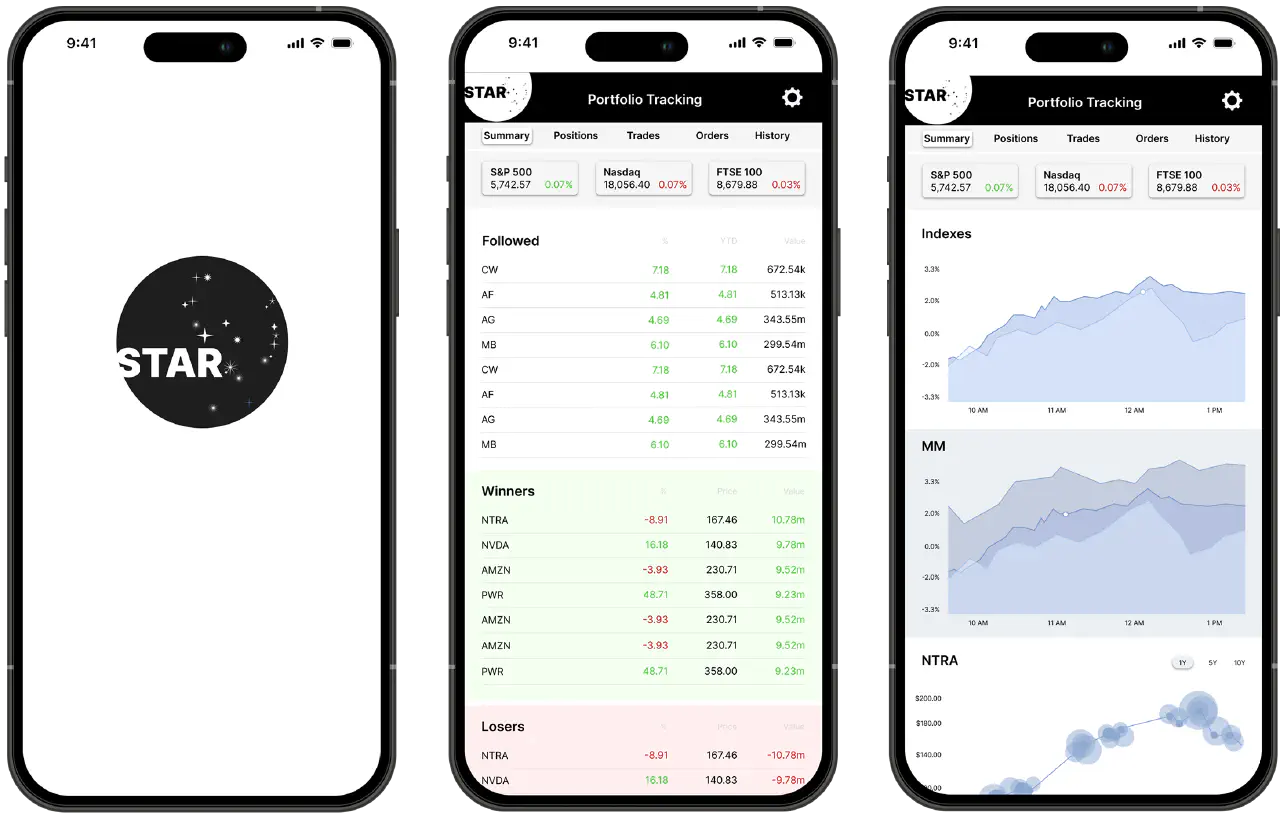
This partnership was built upon a client’s existing portfolio tracking app fully designed and coded by AI. The client’s ask was to “make it better, make it faster.”
At a glance, the app looked finished. But the problem was clear: the app wasn’t fully thought out. All the components were there, but something was off.
Upon review of the different workflows and content modules, it became clear that the experience was confusing, with a lot of unnecessary redundancies. Content priorities, dependencies and relationships were obscured and even experienced traders were left guessing their way around different modules to find ways to perform the necessary tasks. The user’s cognitive load is increased by forcing them to adapt to an unnatural workflow.
With AI collaboration or co-creation, designers need to bring the power of reflection, the imperative of ethics, of empathy and creativity to ensure we are still designing for human experiences.
Approach
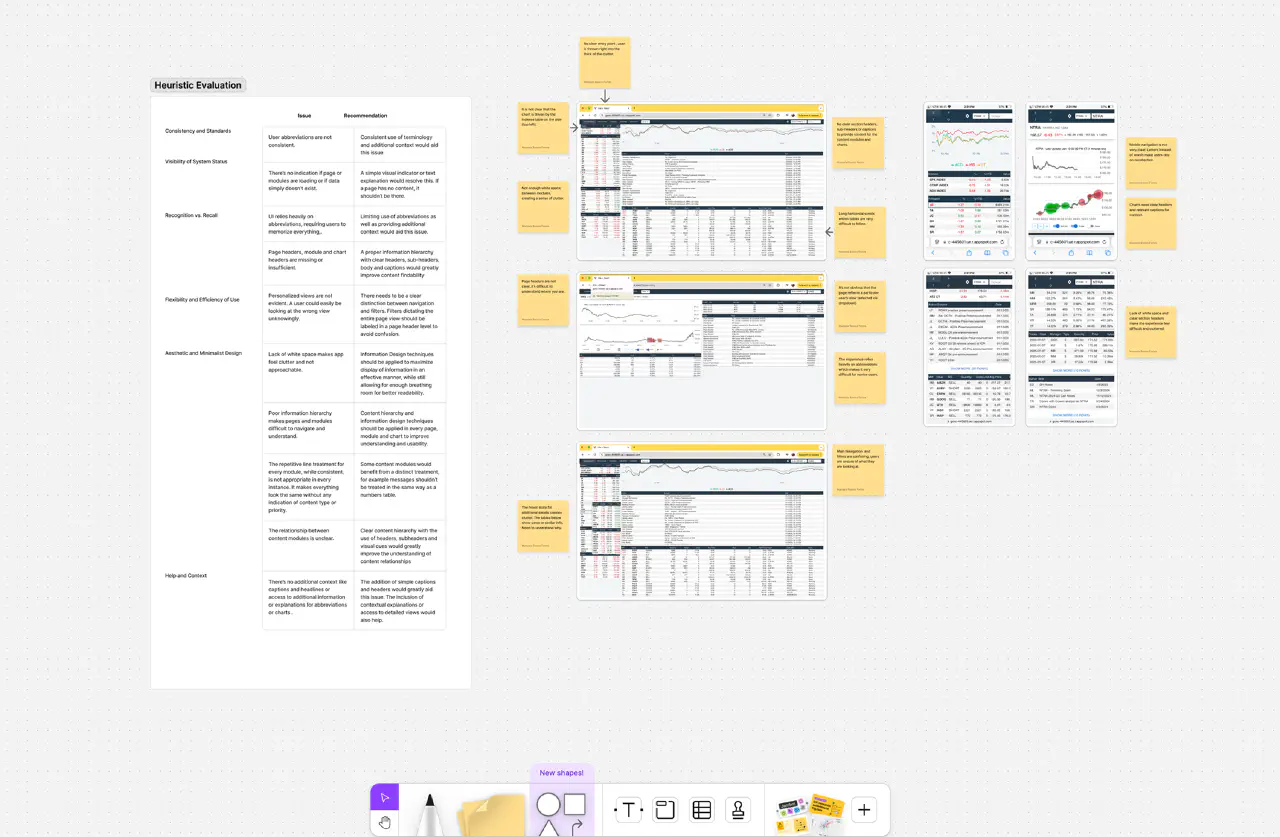
An heuristic evaluation highlighted the basic issues with the UI and its poor information hierarchy, such as visual clutter, lack of clear headers and calls to action.
Task walk-throughs by expert users, shadowing and interviews, helped identify the top tasks and content priorities.
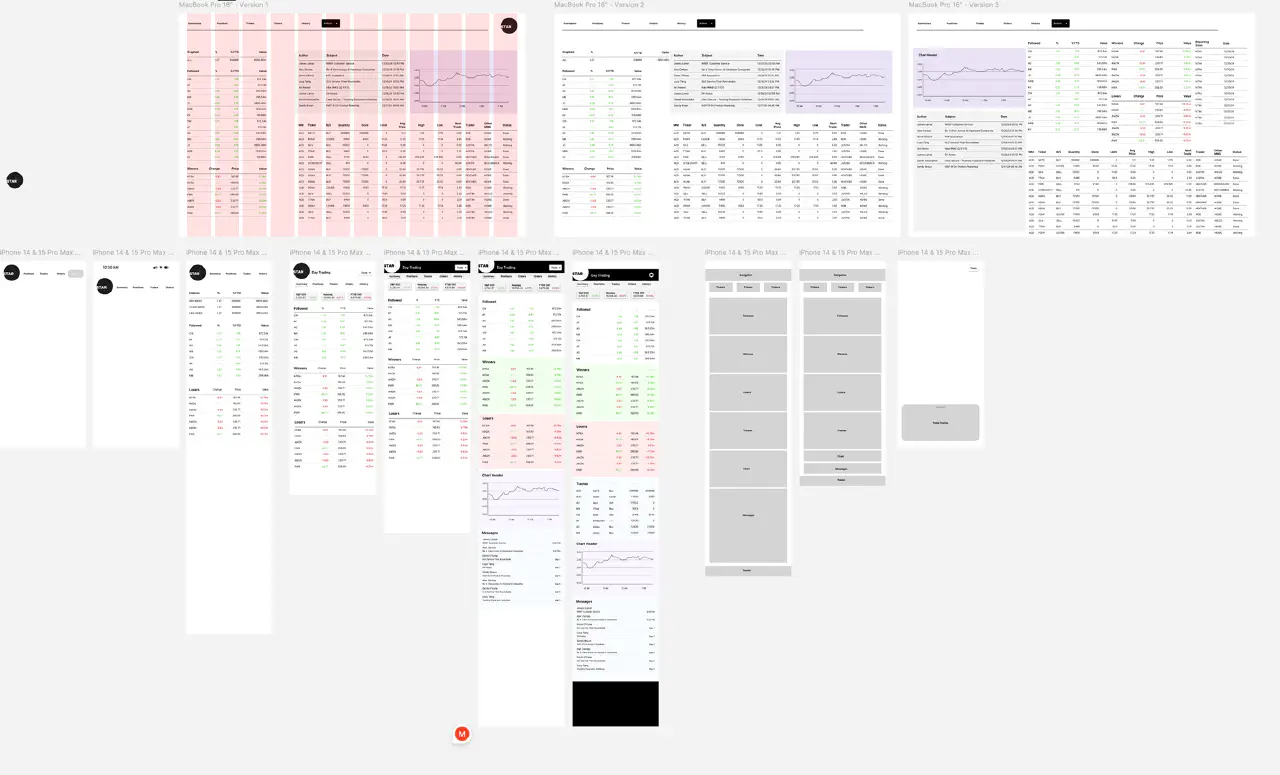
Simple wireframes were created to quickly manipulate content modules to fine-tune hierarchy and workflows.
Since there were no visual files to iterate on, high fidelity screens were created from scratch to allow the team to design and refine the detailed UI components.
Virtual collaboration with the client allowed for quick iterations and gut checks.
Close collaboration with developers was crucial to expedite iterative process and allowed for final tweaks to be made directly in code.
Result
The redesigned app is faster, cleaner more approachable and easier to use.
The new app is more flexible and customizable, allowing users to re-order content modules in a way that works best for them.
Information is displayed in logical order, supporting typical task flows and mental models.
Clear information hierarchy with section headers, sub-headers and calls to action are in place to support understanding.
The consistently display of information and terminology establishes a recognizable pattern for users.
Users are now able to approach and complete tasks more efficiently, increasing overall productivity.
Turning a Life-Long Vision into Reality
Situation
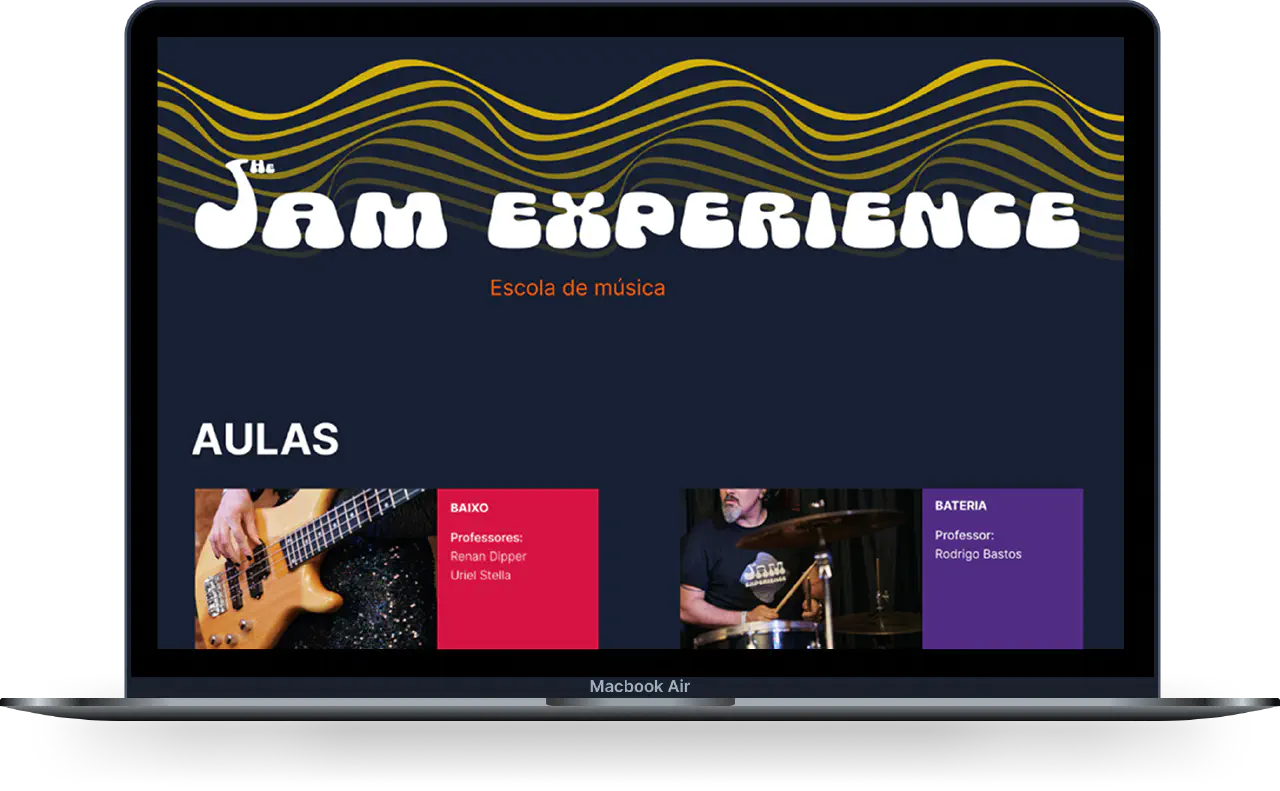
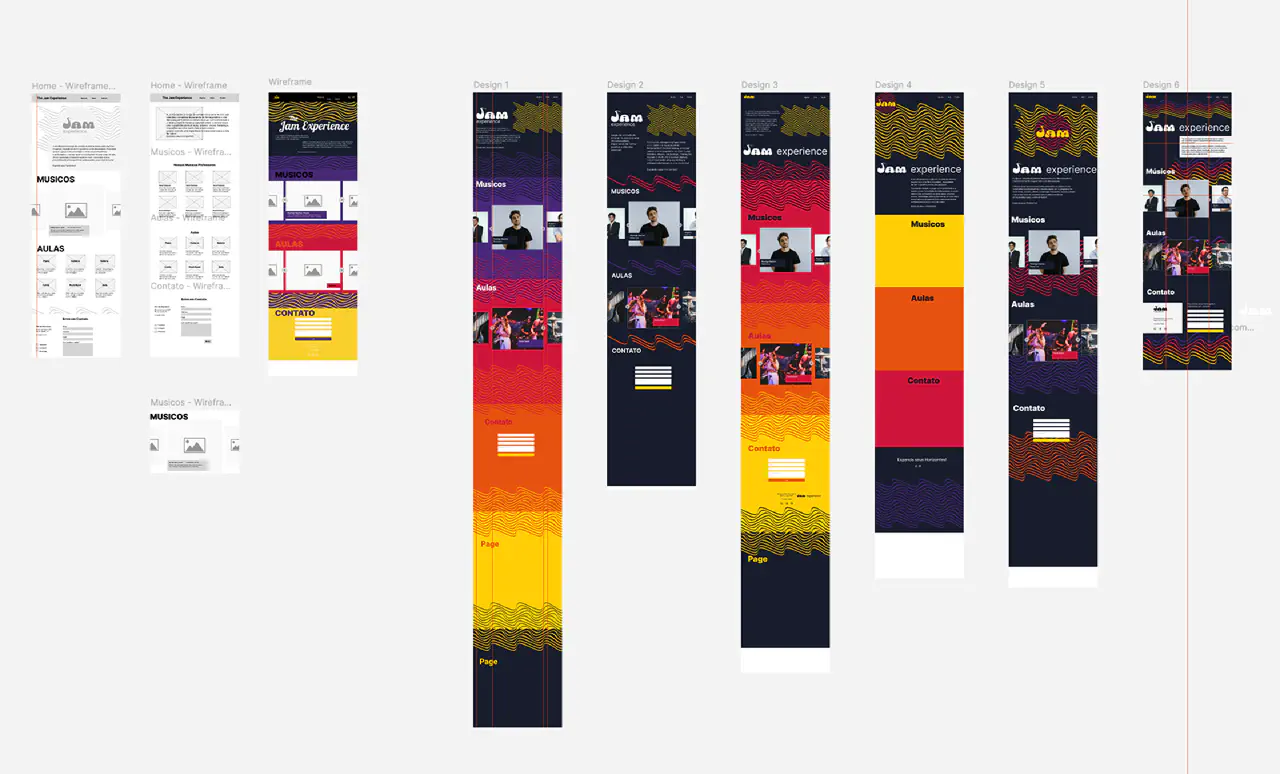
The Jam Experience, a new music school in Rio de Janeiro, is redefining music education through a collaborative, hands-on approach with classes, performances, and backstage experiences.
Born from the lifelong dream of its founders—passionate musicians dedicated to making music education a life-enriching journey—the school stands out with its innovative vision and unique approach.
To reflect this dynamic brand and distinctive market position, its digital presence needed to embody the same freshness and creativity in their web and mobile platforms
Approach
Stakeholder interviews were conducted to define the goals of the digital properties. Audience-specific surveys, combined with the brand’s personality, shaped the tone of voice, imagery, and content strategy.
The solution was designed as both a lead generation tool and a platform to showcase the school’s vibrancy, talent and engagement with its students.
Collaborative sketching quickly evolved into wireframes outlining content and functionality. These were followed by high-fidelity designs, continuously iterated through a feedback loop with founders and developer.
Result
The rollout strategy combined grassroots efforts, word-of-mouth promotion, social media content, web and mobile site launch, driving rapidly growing enrollment within just three months.
Students perform monthly at local venues to full-house audiences, generating buzz and strengthening its community presence. These events work in conjunction with website and social media, maintaining a steady influx of new students.
Now, one year since its inception, the school operates at full capacity. Plans for expansion are underway, with a second location set to open in 2026.
Empowering Artists to Achieve Business Success
Situation
This partnership sought to empower an established artist by bridging the gap between digital and physical mediums.
The collaboration focused on expanding her local impact through community engagement and educational outreach, while leveraging technology and social media to promote her work on a global scale.
Set in an idyllic studio in Tuscany, the artist seamlessly blends her Italian and Brazilian heritage to create ethereal canvases and whimsical sculptures, reflecting her unique cultural perspective and artistic vision.
Approach
Throughout the process, it was important to honor the artist’s roots and traditional craft while enhancing her approach through a thoughtful integration of digital technology and art.
This highly collaborative process involved frequent brainstorming sessions to develop a strategy for growing her business and expanding her reach.
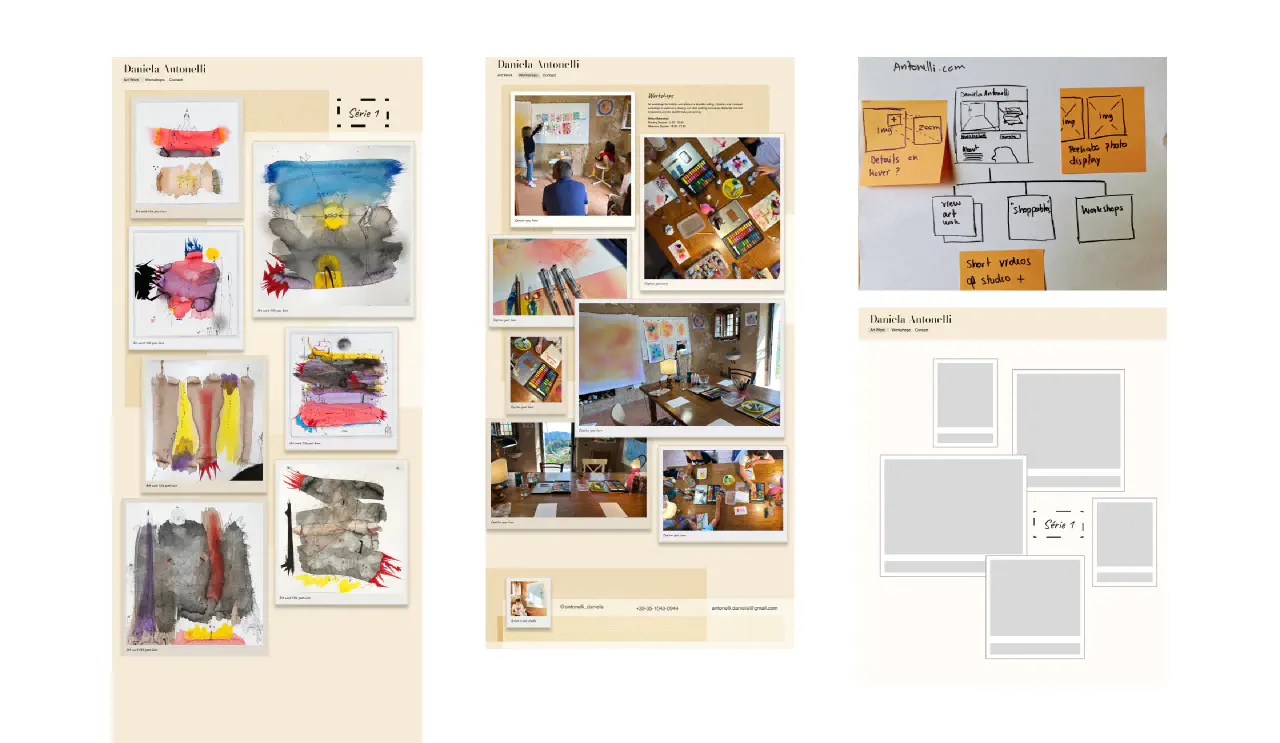
With a continuous feedback loop, the sketching phase progressed swiftly, allowing us to focus on iterating unique artifacts and promotional tools, both physical and digital, leveraging her stunning artwork as an exceptional foundation for creative exploration.
Result
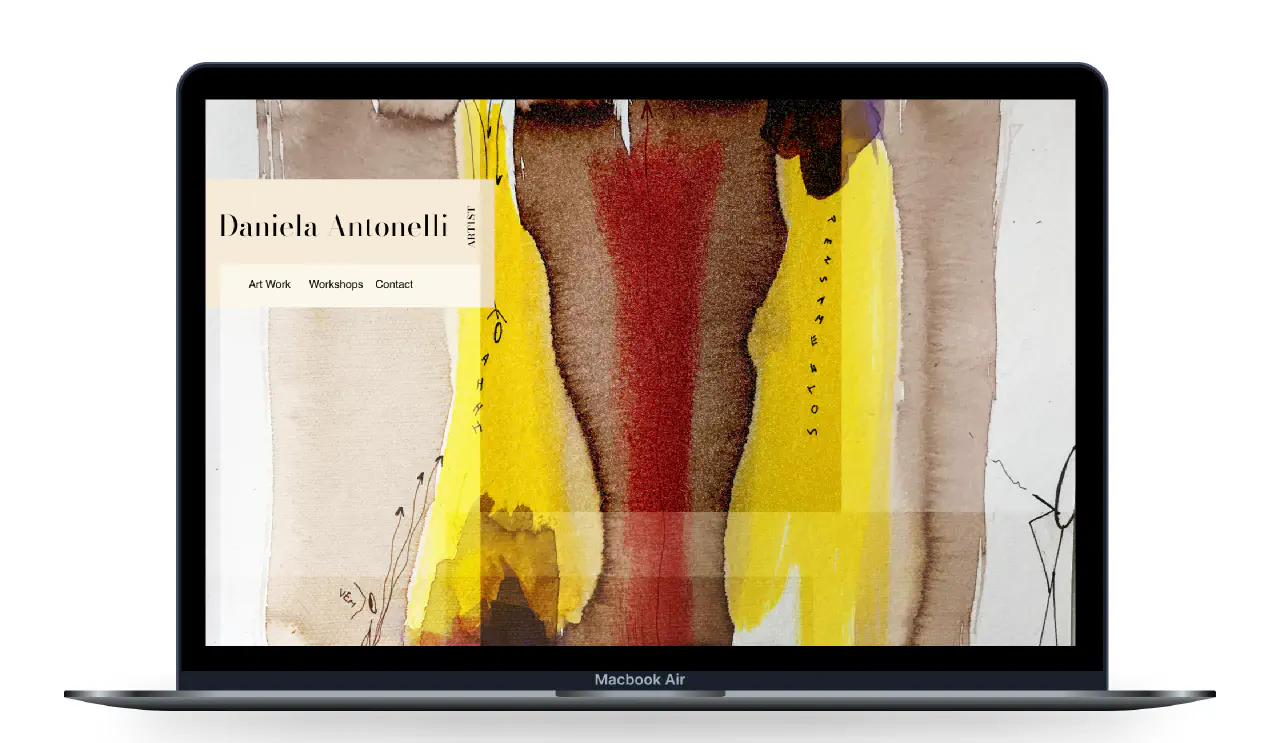
A very localized, grassroots approach was used to promote the workshops, which aligned with social media posts and a professional website, successfully attracted new clientele to the art studio.
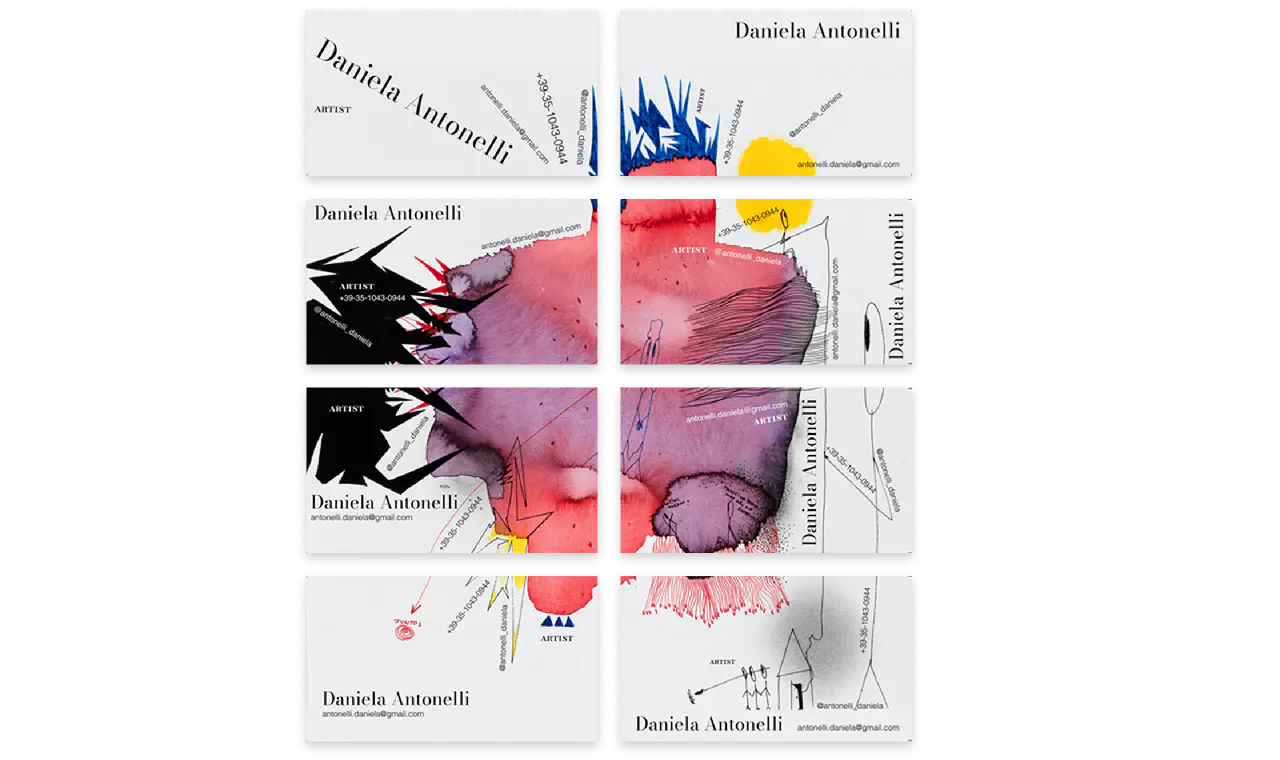
The special series of artifacts, such as the collectible, puzzle-inspired set of business cards, became a coveted keepsake within the local artistic community.
The workshops held in her studio quickly gained traction, driving demand and positioning her for expansion into local schools to implement her methodology.
Additionally, online sales of her unique artifacts have seen significant growth, fueled by targeted social media outreach and engagement.
Crafting & Piloting Meaningful Product Concepts

Situation
This unique opportunity came from the Target-Sapient’s Technology Innovation Center. The aim of the Innovation Center was to push boundaries and explore how emerging technology could be used in the retail space.
Through partnerships and collaborations with Startups in Silicon Valley, the team developed and tested a series of product concepts to understand the potential of breakthrough technology in enhancing the customer experience and evaluate its effectiveness as a marketing and monetization opportunity.
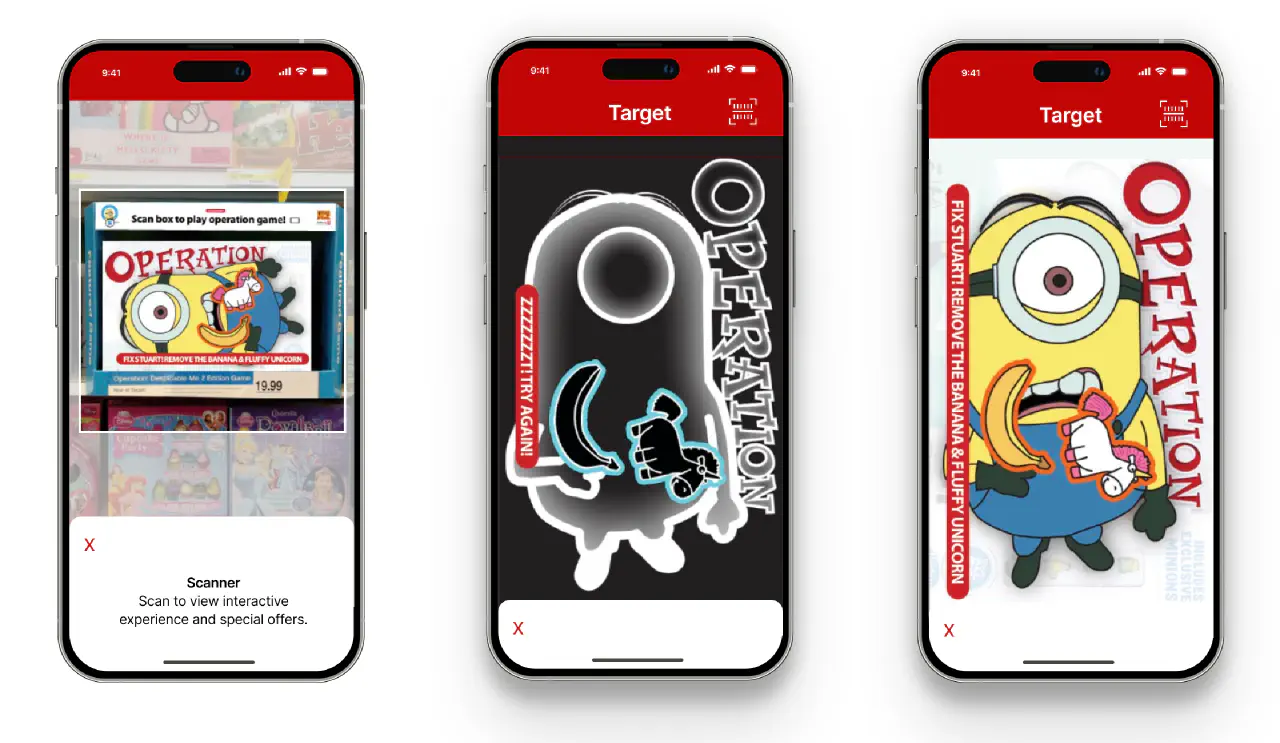
One of our lines of research was focused on augmented reality and game playing in the context of the retail space, for which we created a few different prototypes to pilot and test in-store.
Approach
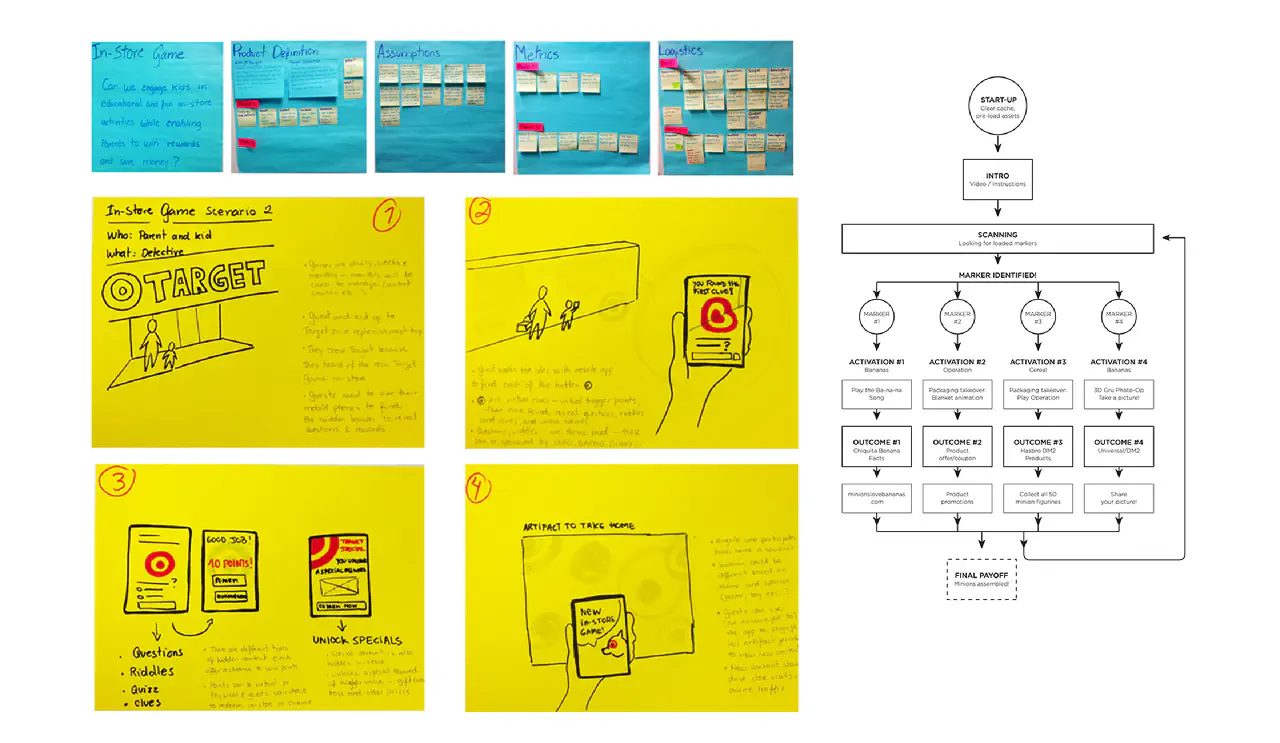
Through brainstorming, affinity clustering, and sketching sessions, the team crafted multiple use cases and product concepts, working through detailed product definition, design, development and testing.
These mobile experiences were designed to engage guests at home, on-the-go, and in-store, creating a continuous, contextual experience to expand the guests relationship with the brands and enhance the experience in the physical store space.
To gather insights we used a combination of qualitative design research and a quantitative pilot study.
The In-store qualitative study combined shadowing and contextual interviews across 20 sessions of recruited customers and intercepts.
The pilot was distributed via Target’s internal app store to collect quantitative feedback through usage data and surveys from 1500+ participants for 5 weeks, across all US stores.
Result
Findings from the research and pilot program showed that simplicity and ease of use are key to effectively bring the store to life in a way that benefits both the customers and the business.
The concepts demonstrated that deeper product experiences could increase foot traffic to brick and mortar stores. By serving contextual offers to guests in a timely fashion, these experiences could also drive sales of particular products.
A few encouraging results from the study:
85% of participants would engage in a similar activity in the future.
78% find offers to be the most valuable reward.
66% find product scanning useful to discover content.
85% would engage in a similar activity in the future.
60% would choose to shop at Target because of this type of experience.